

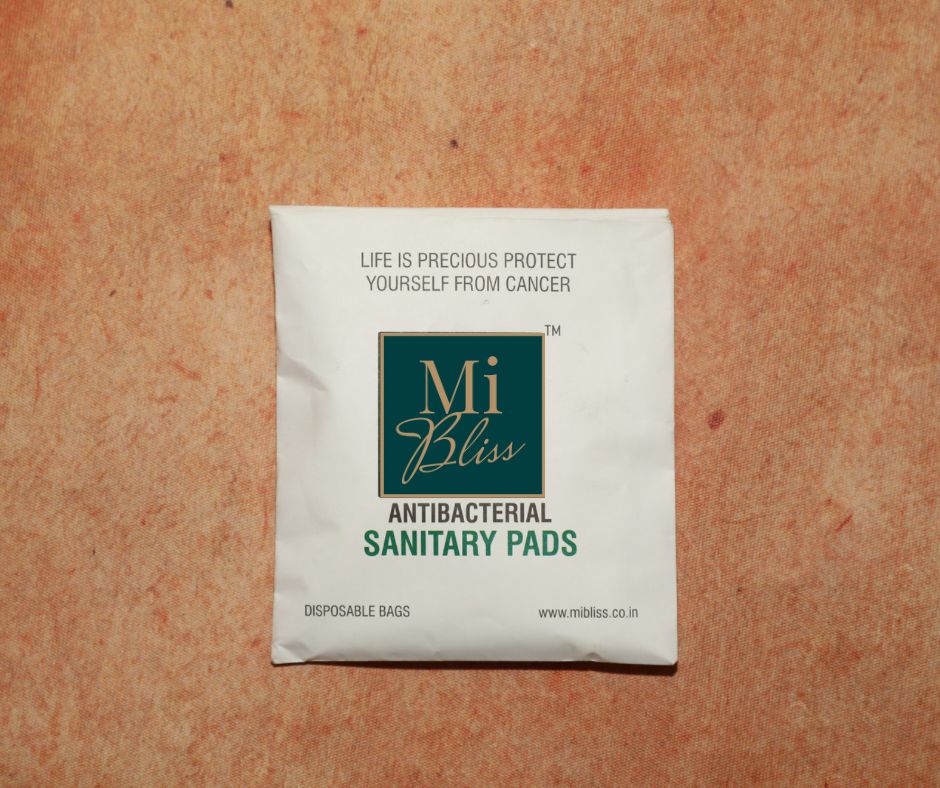
About MiBliss
Our company Vishva Jyotsna Enterprises Pvt Ltd is keen to bring 360 degree change to the women’s sanitary hygiene scenario in the country. We want that every young girl and woman should have access to hygienic sanitary napkins, and it’s her basic right. Therefore, our company is endeavouring to manufacture antibacterial sanitary napkins for every woman and girl to keep them away from bacterial and fungal infections and eventually protect them from Cervical cancer.
Mi Bliss provides a comprehensive menstrual hygiene solution by delivering biodegradable, antibacterial, and pH-balanced sanitary napkins that are safe for the body, a 7-layer integrated architecture where each layer solves a different challenge without compromising the others friendly to the environment
Mi Bliss is designed as a systemic performance solution, integrating:
- Antibacterial mechanisms tuned to moderate but effective action
- pH-adaptive buffering to support natural vaginal flora (not common in competitors)
- Layer-specific engineering to address absorption, odor, comfort, and skin health
- Minimum Effective Dose (MED) approach to balance safety, biodegradability, and cost
- Designed with engineered fluid acquisition + locking layers
- Optimizes absorbency while minimizing synthetic SAP use
- Balances dryness + pH stability + leakage protection
- Uses a science-based antibacterial formulation integrated with fiber action
- Focuses on tested efficacy thresholds (e.g., inhibition against specific bacteria relevant to menstrual hygiene)
- Designed to complement pH buffering, not only kill microbes
- Structured to maximize biodegradability without compromising performance
- Uses biodegradable SAP blends + engineered cores to match or exceed traditional performance
- Combines rapid breakdown with functional performance retention
- No insertion → zero risk of internal micro-tears
- No interference with vaginal flora
- pH-balanced layers (lactic acid + alginate) help maintain natural vaginal pH (≈4.2–5.0)
- Antibacterial protection using
ANTIBACTERIAL SANITARY PAD
Introducing MiBliss’s latest innovation: the Antibacterial Sanitary Pad. Designed with your health and comfort in mind, our pads are infused with antibacterial properties to provide an extra layer of protection during your menstrual cycle.Crafted from high-quality materials, our pads offer superior absorption and leak protection, keeping you feeling fresh and confident all day long. The antibacterial technology helps inhibit the growth of harmful bacteria, reducing the risk of infections and promoting feminine hygiene.With our pads, you can embrace your femininity with peace of mind, knowing that you’re using a product that prioritizes your health and well-being. Say goodbye to worries and discomfort during your period and experience the difference with MiBliss.
Mi Bliss is designed to solve multiple, interconnected problems in menstrual hygiene—health, safety, environment, affordability, and dignity.
Problems Addressed by Mi Bliss
- Menstrual Health & Infection Risk, Environmental Pollution from Sanitary Waste
- Many sanitary napkins use synthetic chemicals, fragrances, and plastics.
- Prolonged moisture + non-breathable materials → bacterial growth, odor, rashes, UTIs, and vaginal infections.
- Lack of pH-compatible products disrupts the natural vaginal microbiome. Conventional pads contain up to 90% plastic.
- Pads take 500–800 years to degrade, poor waste management leads to landfill overload, open dumping, and water pollution.
- Lack of pH-Adaptive Menstrual Products, most pads ignore vaginal pH needs, alkaline or chemically treated surfaces disturb natural acidity, leads to infections, itching, and discomfort.
How Mi Bliss addresses it
Natural antibacterial system (bamboo fiber + plant extract)
pH-balanced surface (≈4.5–5.2) that supports healthy vaginal flora
- Breathable, skin-friendly materials
- Reduced synthetic polymer load
- Women resort to unsafe alternatives (cloth, ash, paper).
How Mi Bliss addresses it
Buffered pH-adaptive technology
Uses biopolymers + mild organic acid
Maintains healthy acidity during use
Problem solved: Supports natural vaginal health instead of disrupting it.
- ❌ The problem
- Rough synthetic topsheets cause friction and rashes.
- Poor moisture management leads to wetness and discomfort.
- Long-term pad use increases skin sensitivity.
How Mi Bliss addresses it
- Soft bamboo fiber topsheet
- Efficient fluid distribution and locking
- Reduced rewet and breathability
Problem solved: Improved comfort for daily and long-hour use.
Mi Bliss Solution
- Bamboo and natural fibers
- Biodegradable absorbent core
- PLA-based backsheet instead of petroleum plastic
- Natural antibacterial system (bamboo fiber + plant extract)
- pH-balanced surface (≈4.5–5.2) compatible with vaginal microbiome
- Biodegradable & Eco-Friendly Solution Plastic-heavy sanitary waste causing long-term environmental pollution
- Breathable, skin-friendly materials
- pH-Adaptive Menstrual Technology- pads that ignore vaginal pH and cause irritation or infections. Buffered pH control using biopolymers
- Controlled lactic acid release
- Stable surface pH during use
- Absorbency 120ml —150 ml
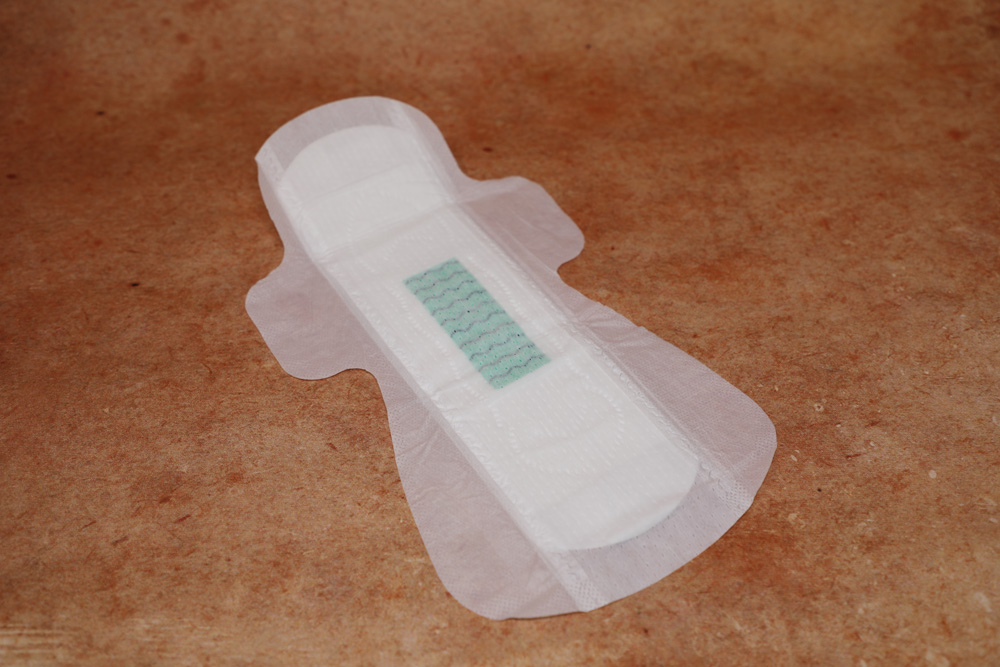
Our Range of Products
What Our Clients Say
 Priya SenAthletics Coach
 Soniya FernandesProfessor
 Nimitha ShettyTour Guide
 Kalpitha SinghEx-Banker
 Hema KhanWorks at MNC
Frequently Asked Questions
What is period?
A period (menstruation) is normal vaginal bleeding that is a natural part of a healthy monthly cycle for a person with a uterus and ovaries. Every month, in the years between puberty (typically age 11 to 14) and menopause (typically about age 51), your body readies itself for pregnancy For most women, the menstrual cycle each month lasts for three to five days.
Why Do Women Have Periods?
Every month, in the years between puberty (typically age 11 to 14) and menopause (typically about age 51), your body readies itself for pregnancy. The lining of your uterus thickens and an egg grows and is released from one of your ovaries.
If pregnancy doesn’t occur, estrogen and progesterone levels fall, eventually hitting a level that tells your body to begin menstruation. During your period, the uterus sheds its lining and it’s passed, along with some blood, out of the body through the vagina.
How much blood does a women menstruate?
The average person who menstruates loses about 2 to 3 table spoon blood during their period.
What’s the time period of a menstrual cycle?
The time between periods (last day to first day) typically averages 28 days, with bleeding typically lasting around 4 to 5 days. However, people can experience longer time between periods, and fewer or more days of bleeding, and still have totally “regular” periods.
Can my period be stopped?
No method guarantees no periods, but, according to a 2014 articleTrusted Source in the International Journal of Women’s Health, you can suppress your cycle with various types of birth control such as:
- Birth control pills.If you take daily birth control pills, after a year you’ll have about a 70 percent chance of suppressing your cycle.
- Hormone shot.A hormone shot can affect your fertility for up to 22 months. After a year, you’ll have about a 50 to 60 percent chance of suppressing your cycle; about 70 percent after 2 years.
- Hormonal IUD.One year with a hormonal IUD (intrauterine device) gives you about a 50 percent chance of suppressing your cycle.
Arm implant. With a birth control implant inserted in the upper arm, your chance of suppressing your cycle is about 20 percent after 2 years.
What is the medium of the period blood?
A person might notice that their period blood smells metallic due to the presence of blood and iron. The vagina’s acidic environment and the presence of different types of healthful bacteria may also play a role in the smell of vaginal secretions and period blood. The normal pH of the vagina is 3.8–4.5, which is acidic. A pH of 7 is neutral.
What does color of a period blood indicate?
The color of a person’s period blood can indicate different health conditions. For example, orange or gray blood can indicate a vaginal infection, while red or dark brown period blood can be an early sign of pregnancy.